

From Boardroom to Mountain Top
Group314 provides training solutions for individuals, groups, and organisations to excel in today's dynamic world.
From Boardroom to Mountain Top
Group314 provides training solutions for individuals, groups & organisations to excel in today's dynamic world.
Quality training and assessment services delivered at your workplace, another suitable venue, and online.
Providing quality training and assessment services since 2007, offering tailored training programs to suit your needs.
Get in touch to discuss your training needs.
Whether you're looking to establish or further develop your career or skillset, our highly experienced instructors provide a comprehensive learning experience that prepares you for success in any business environment.
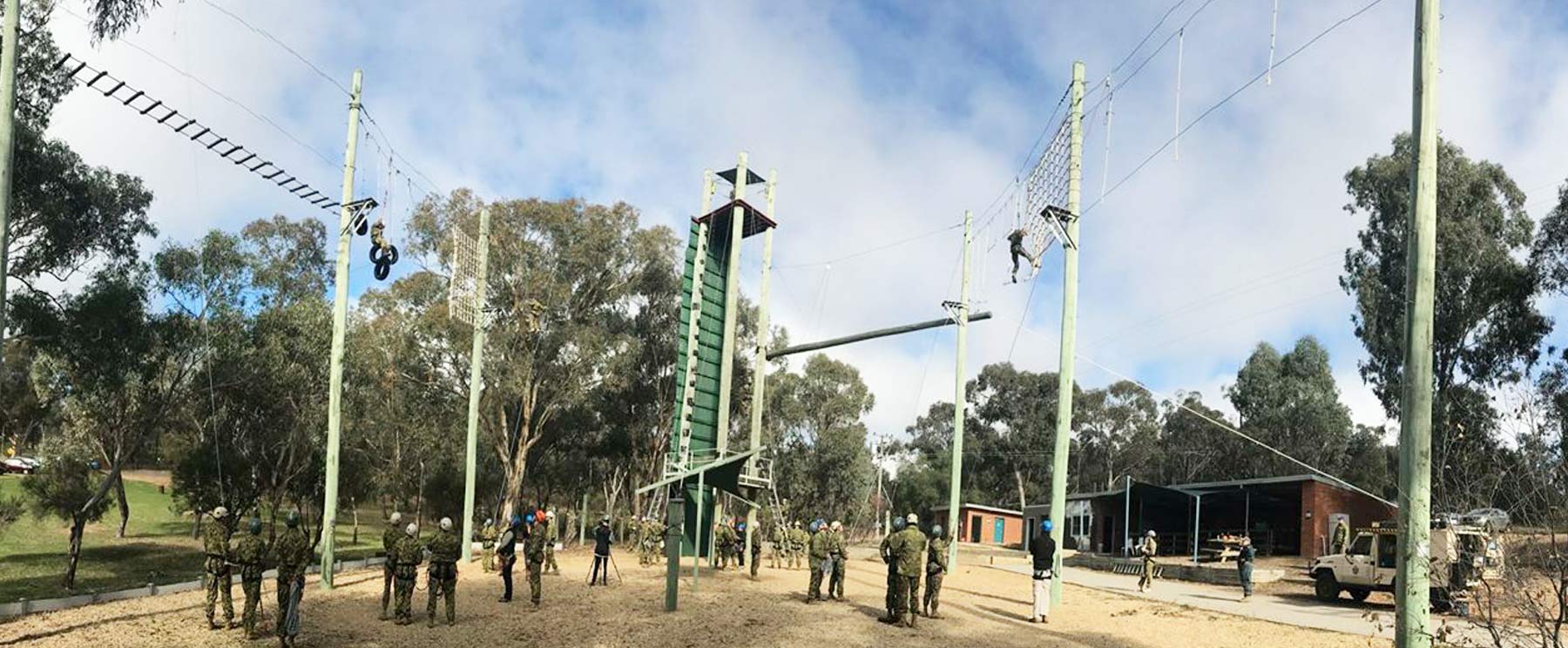
Our outdoor leadership programs are ideal for those who aspire to lead in wilderness and adventure settings. Through hands-on training and real-world scenarios, you will develop critical skills ensuring you are ready to tackle any challenge that comes your way.
Our mining and construction training programs are designed to prepare you for a rewarding career in these fields. With a focus on safety, technical proficiency, and industry best practices, our courses provide the knowledge and experience you need to succeed.
Our first aid courses are designed to give you the skills you need to make a difference in critical situations. With a focus on practical & real-world applications, you'll be ready to handle first aid effectively & with confidence.
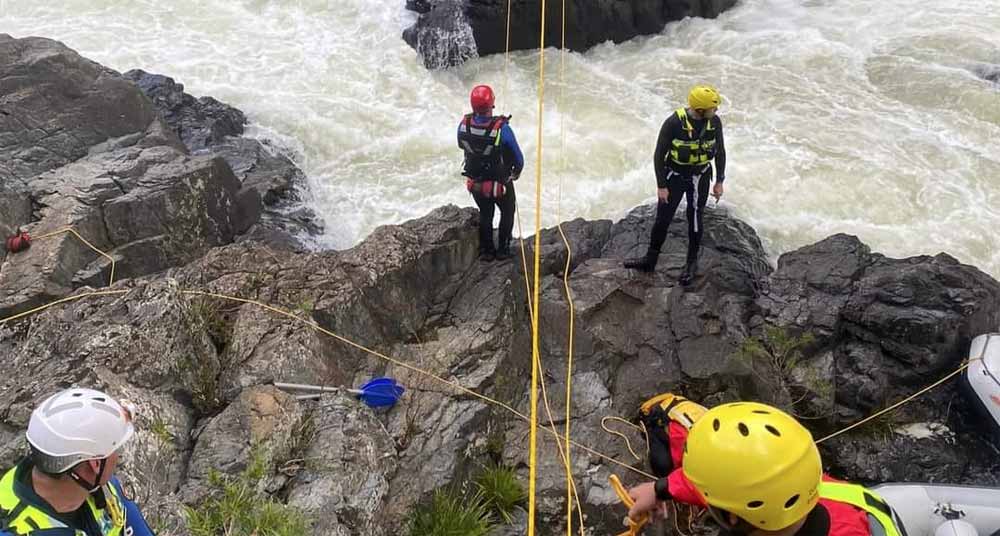
Our public safety courses provide the essential skills and knowledge needed to effectively respond to emergencies, prevent incidents and ensure the well-being of the public. Including Swiftwater Rescue and Vertical Rescue.
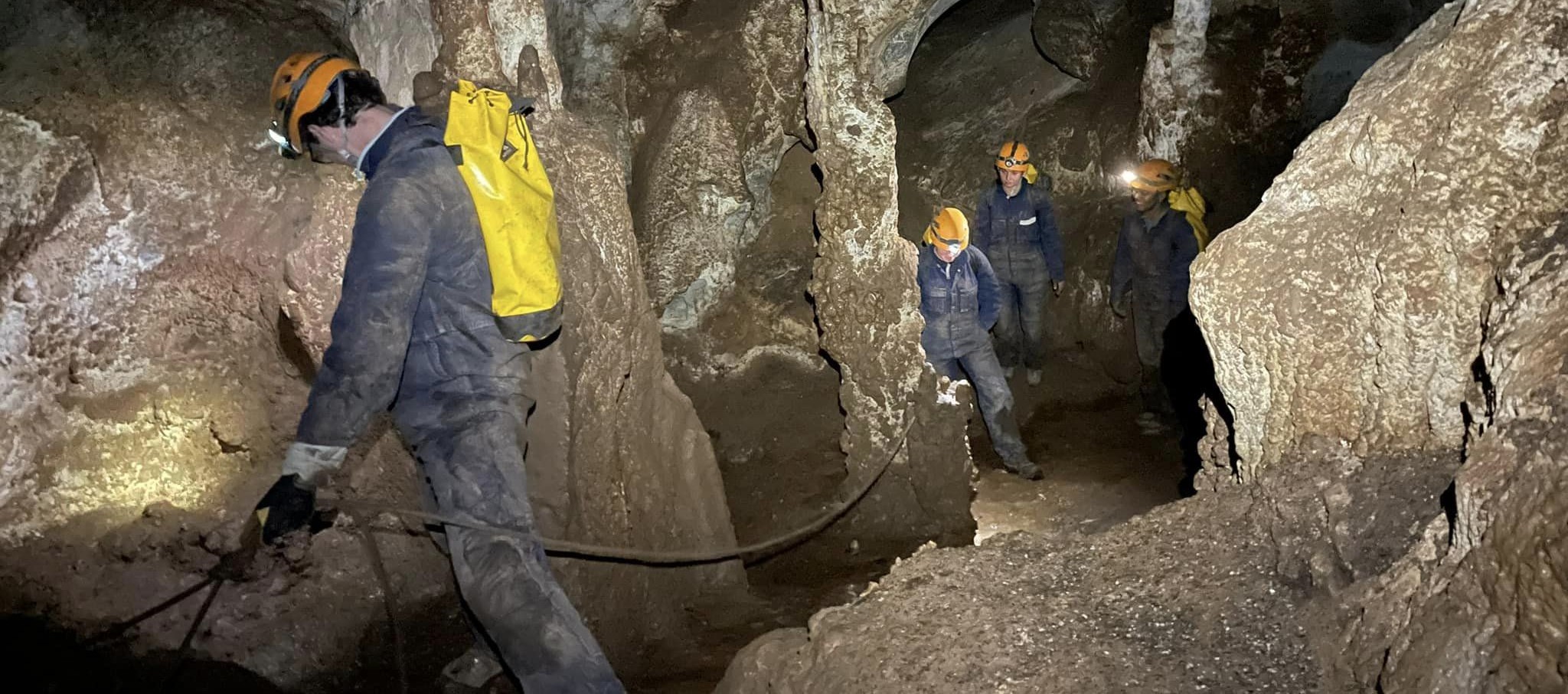
For those who seek excitement & personal growth, our adventure training programmes offer a unique blend of physical challenges and personal development. Whether it's climbing, rafting or survival skills, our adventure training pushes you to your limits and help you discover your true potential.